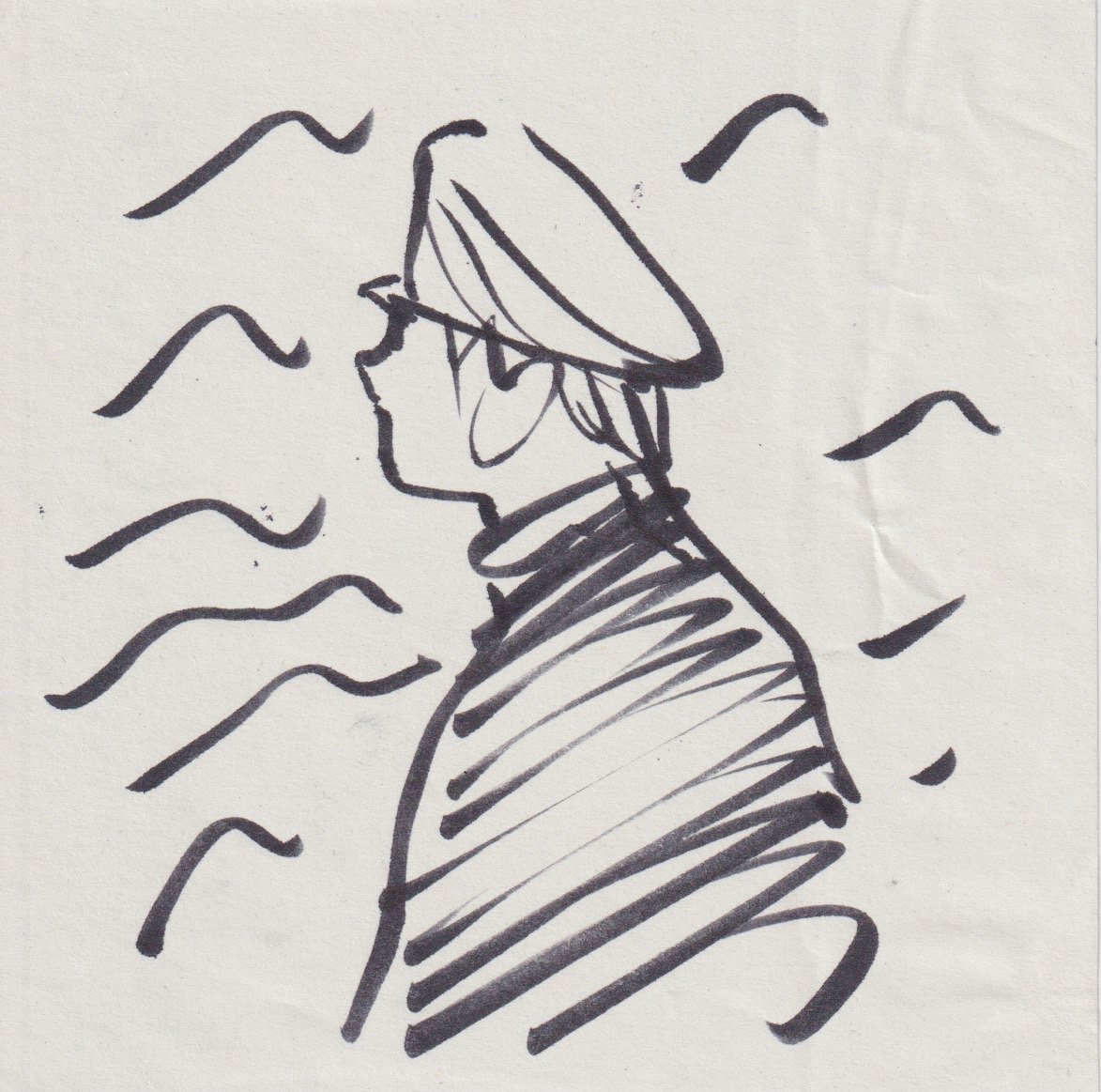
Deeper Layer
Q: What is the deeper layer in your work?
A: The question I return to more than any other is simple:
What does it mean to become the best drawer?
That isn't just about technical skill. It's a question about how deeply a person can understand the world. To draw well, you have to understand form, movement, rhythm, emotion, memory, relationships, and attention. Every improvement in drawing demands a deeper understanding of the world itself.
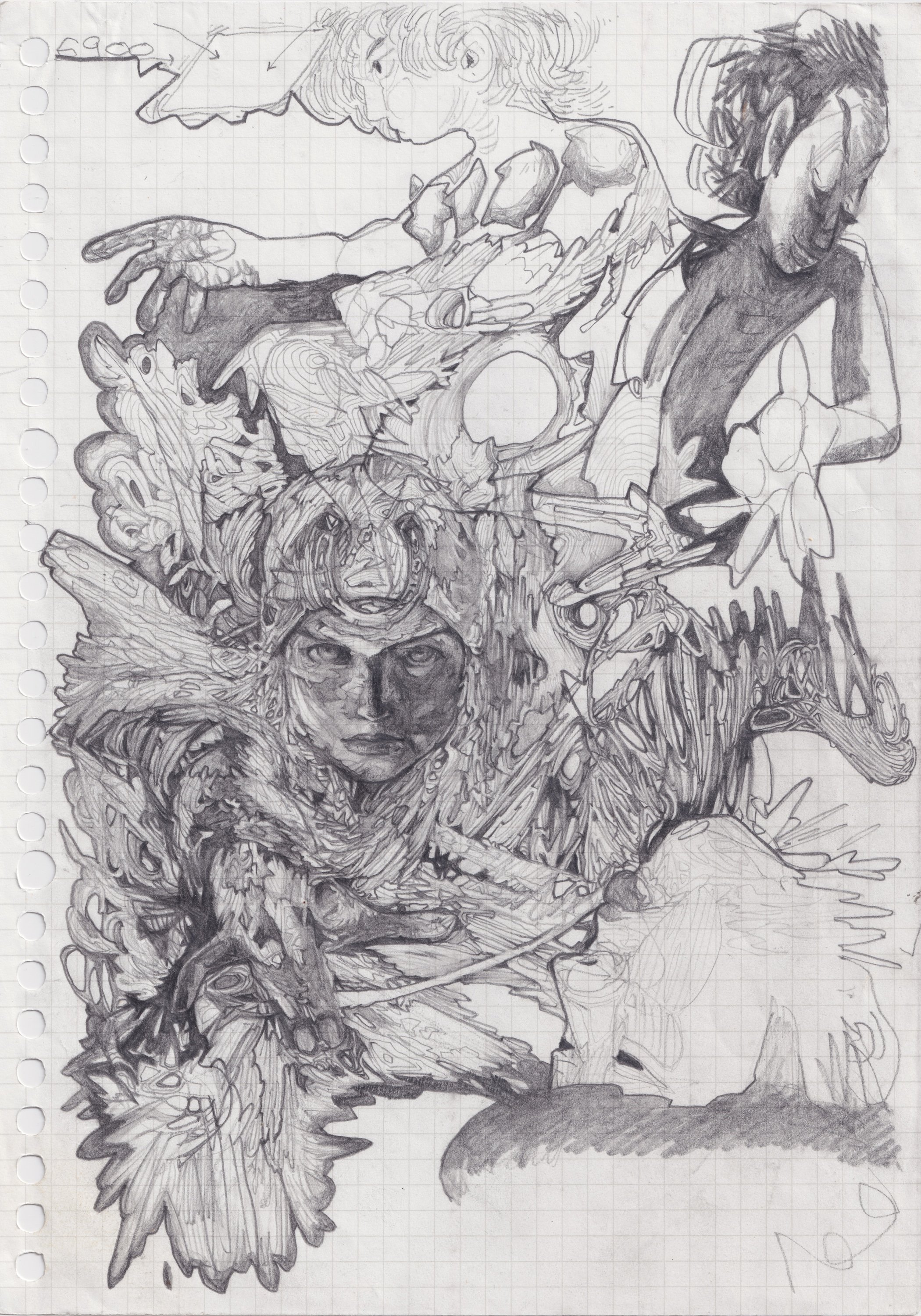
Because of that, drawing has become the framework through which I think and see the world.
Whether I'm walking through a city, having a conversation, reading a book, or simply taking notes, I find myself asking the same question: What would make this a better drawing? Over time, that question has expanded beyond the page. Every experience becomes an exercise in observation. Every person teaches me a new line. Every encounter reveals another way of seeing.
In this sense, I don't separate drawing from living.
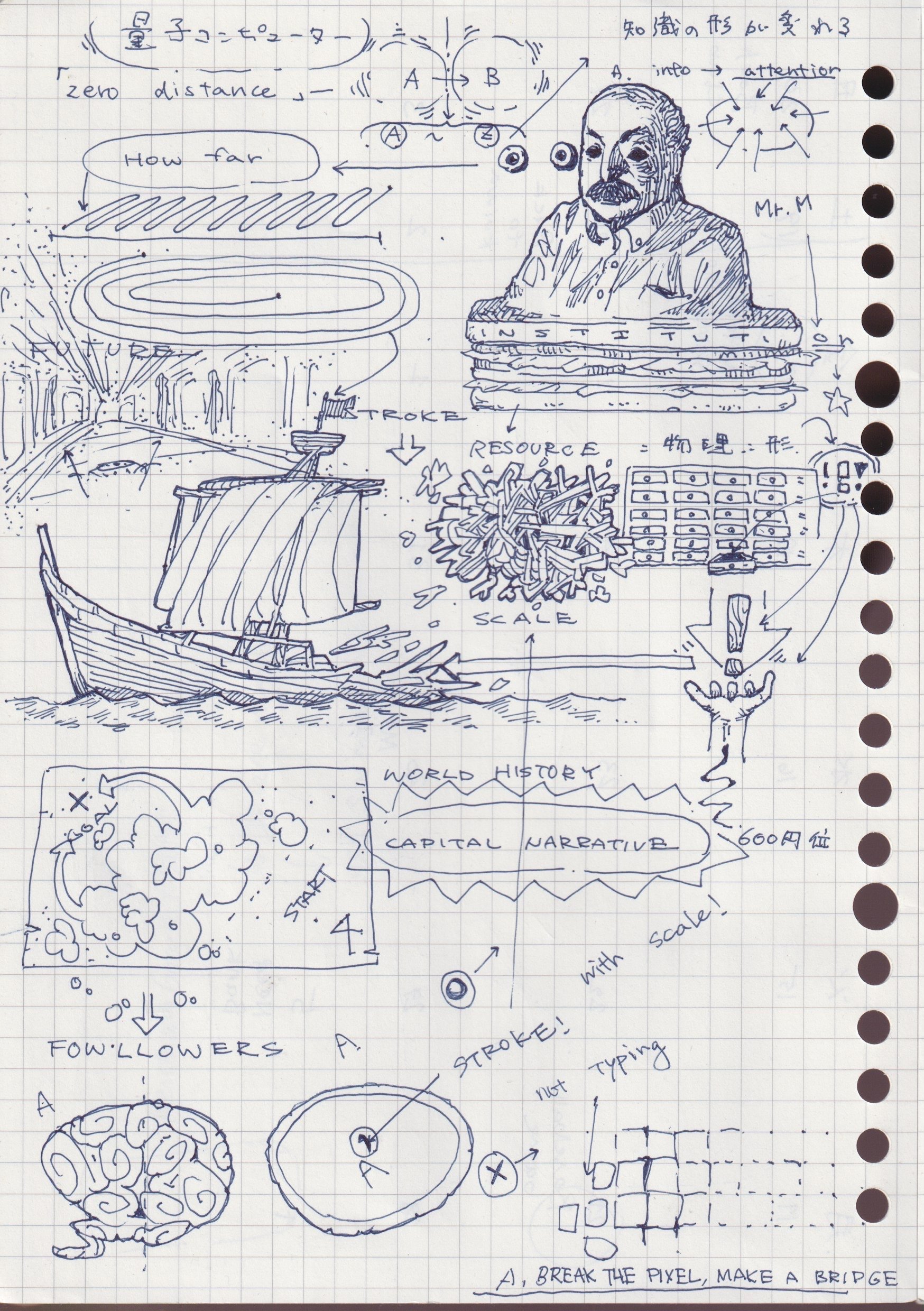
The pursuit of drawing is also the pursuit of clarity. It asks me to continually challenge what I think I already know. It's an impossible goal, and that's exactly why I continue to pursue it. I don't expect to arrive at a final answer. I believe the search itself is what keeps me growing.
That pursuit is demanding. It can be frustrating, humbling, and exhausting. But it has also taught me resilience. When you've chosen to dedicate your life to an impossible question, many of the ordinary frustrations of life begin to feel smaller by comparison.
Sometimes people ask why I talk about drawing so often, even outside the studio. The answer is that, to me, everything is drawing. Every decision leaves a mark. Every relationship creates a new line. Every life is a composition still being made.
I want to become a better drawer not simply to make better drawings, but to help create a better-drawn world—one in which people look more carefully, understand one another more deeply, and leave behind marks that are worthy of being seen.